
Cold chain freight fails in the gaps, not on the road. The trailer holds temperature fine. What kills product is the twenty minutes a pallet spends on a hot dock in August, the reefer that was not pre-cooled before loading, or the airline handoff where nobody owned the freight for an hour.
In South Florida, those gaps are more punishing than almost anywhere else in the country. Ambient temperatures on a Miami loading dock routinely run well above what most product tolerances allow, and humidity adds condensation risk on top of heat.
What refrigerated LTL actually means
Refrigerated LTL consolidates temperature-controlled freight from multiple shippers into one reefer trailer or truck. You pay for the space you use rather than a full trailer, which makes it viable for shippers moving a few pallets rather than a full load.
The tradeoff is that your freight shares a temperature setpoint with everyone else on the truck. That works when all the freight belongs to the same broad temperature band. It does not work if your product needs to be frozen and the rest of the load is fresh produce.
The three common temperature bands
- Frozen. Roughly 0°F and below. Ice cream, frozen proteins, some pharmaceutical products.
- Chilled / fresh. Roughly 33–40°F. Produce, dairy, fresh seafood, flowers, many beverages.
- Cool / controlled ambient. Roughly 55–75°F. Chocolate, cosmetics, wine, certain electronics and adhesives that simply must not bake.
The third band gets overlooked. A lot of product in Miami does not need refrigeration — it just needs to not sit in a metal box at 110°F. Protecting against heat is a different and usually cheaper problem than true cold chain.
Where South Florida cold chains break
1. The trailer was not pre-cooled
A reefer unit is designed to hold a temperature, not to pull one down. Loading warm product into a warm trailer and expecting the unit to fix it is the single most common cold chain error. The trailer should be at setpoint before the first pallet moves.
2. Dock time
Every minute a pallet spends staged outside a temperature-controlled space is heat gain you cannot recover. Staging inside a cooler and loading quickly matters more than the trailer’s specifications.
3. Airport handoffs
Miami International Airport handles enormous perishable volume — flowers, seafood, and produce moving to and from Latin America. The tarmac and the air cargo building are where custody changes hands, and where product sits if the paperwork is not ready. A carrier whose drivers are TSA-approved and already know the AWB process moves through that handoff faster, which is a cold chain benefit as much as a security one. Our guide to TSA-approved air cargo trucking in Miami covers the mechanics.
4. Pallet construction
Reefer air has to circulate. Pallets stacked flush against trailer walls, blocking the return air chute, or built so tightly that air cannot move through them create hot spots in the middle of the load. Leaving airflow channels is not wasted space.
5. Storm season
Power interruptions and terminal closures during hurricane season put perishables at risk on both ends. If you ship perishables in Florida between June and November, your contingency plan is part of your cold chain. Our hurricane season freight prep checklist is a reasonable starting point.
Documentation that protects you
If a claim happens, the temperature record is the case. Ask your carrier what monitoring is available — reefer unit download, in-pallet data logger, or both — and who provides it. Record the product temperature at loading, not just the air temperature, and note it on the bill of lading. A pulp temperature reading at pickup and delivery turns a subjective argument into a documented one.
Choosing a reefer carrier in South Florida
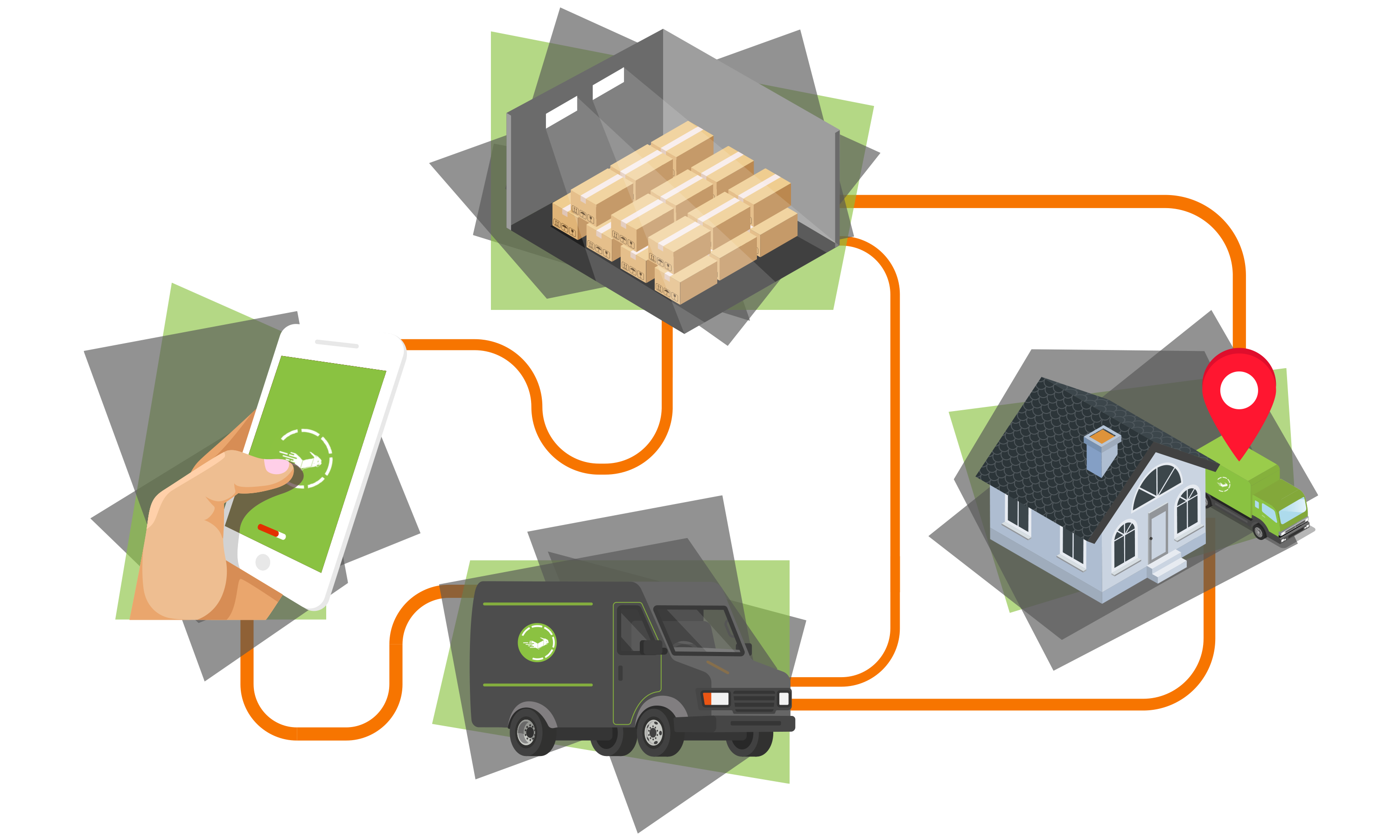
Ask whether the equipment is owned or brokered. Asset-based carriers control their own pre-cool discipline and their own dispatch; brokered reefer capacity is only as reliable as whoever answered the load board that morning. Ask about tracking visibility — being able to see where a perishable shipment is in real time changes what you can do about a delay.
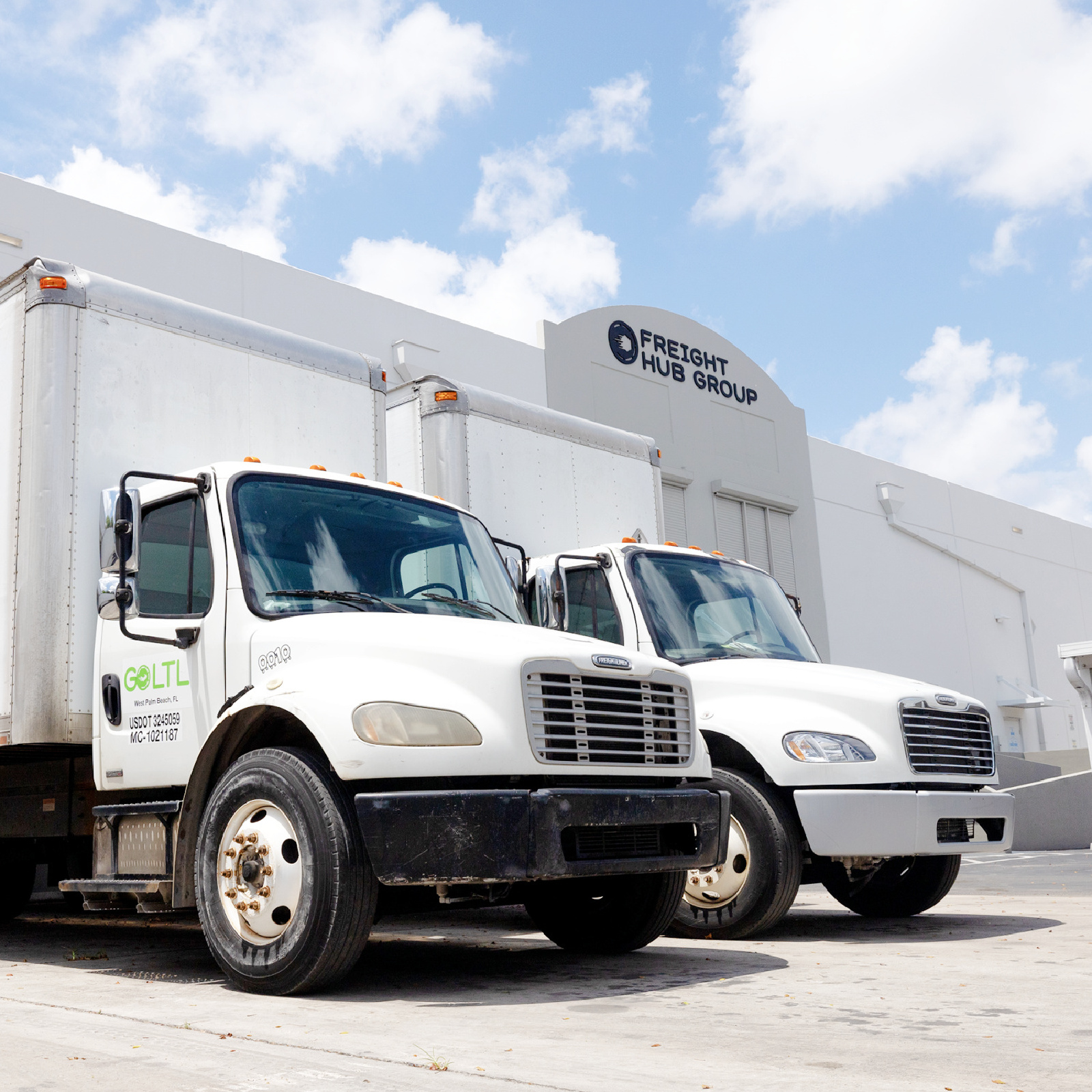
Go LTL runs an asset-based South Florida fleet with live tracking through our in-house technology platform, and handles refrigerated moves alongside standard and hazmat freight on our LTL services. Because we are bonded and TSA-approved, perishable freight moving from a port or to the airport stays with one carrier end to end. To price a temperature-controlled lane, use our quote form or call (786) 445-0150.
Frequently asked questions
Is refrigerated LTL cheaper than a full reefer truckload?
Per shipment, usually yes, because you are paying for space rather than the whole trailer. Per pound it is typically more expensive than truckload. The break-even depends on volume and how many stops the consolidated route makes, so it is worth pricing both if you are moving more than a few pallets regularly.
How do I know my freight stayed at temperature?
Ask for the reefer unit’s temperature download for the transit period, and consider adding a data logger inside the pallet for high-value or sensitive product. Unit air temperature and product temperature are not the same thing, so a logger placed with the goods gives you the stronger record.
Does my product actually need refrigeration in Miami?
Some products only need protection from extreme heat rather than active cooling. Chocolate, cosmetics, wine, and certain adhesives fall into this group. Controlled-ambient or protect-from-heat service is generally less expensive than full refrigeration, so it is worth confirming your product’s real tolerance before defaulting to a reefer.

Recent Comments