


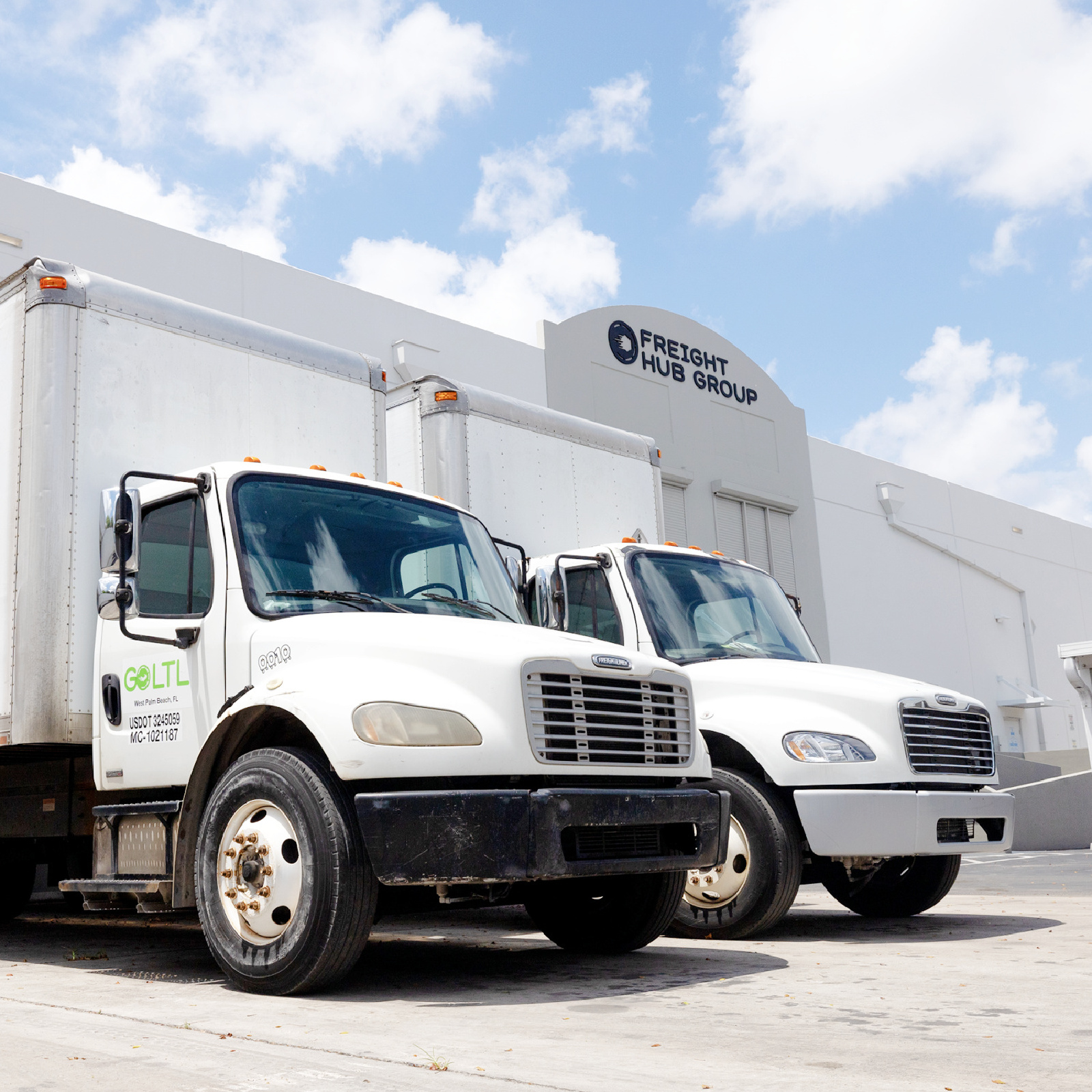
A truck arrives at a Brickell tower with a sofa, a commercial oven, or six pallets of tile. The building’s loading dock attendant asks for the carrier’s certificate of insurance. There isn’t one on file. The delivery is refused, the freight goes back to the warehouse, and everyone pays for a second trip.
This happens constantly in Miami-Dade and Broward, and it is entirely preventable. Here is how building requirements actually work and what to do before the truck rolls.
Why buildings require a COI
A certificate of insurance is a one-page summary from an insurer confirming that a vendor carries specific coverage. Condominium associations and property managers require it because a delivery crew operating in their building creates real exposure: a dropped crate through a lobby floor, a damaged elevator cab, a scratched marble corridor, an injured worker.
The COI transfers that risk to the vendor’s insurer instead of the association’s. It is not bureaucratic theater — most Florida associations are contractually obligated by their own policies to collect them.
What buildings typically ask for
Requirements vary by association and by property manager, and you should always request the building’s actual vendor packet rather than assuming. That said, the common pattern in South Florida high-rises includes:
- Commercial general liability, often with a per-occurrence limit of $1,000,000 and a $2,000,000 aggregate
- Automobile liability covering owned, hired, and non-owned vehicles
- Workers’ compensation at Florida statutory limits with employer’s liability
- Cargo coverage, sometimes requested when high-value goods are involved
- Umbrella or excess liability in newer luxury towers
- The association named as additional insured, using the exact legal entity name the building provides
- A waiver of subrogation in favor of the association
- A certificate holder listed as the association or its management company
Two details cause most rejections. The first is the legal entity name — “Ocean Tower Condominium Association, Inc.” is not interchangeable with “Ocean Tower.” The second is the additional insured endorsement, which some buildings require as an attached endorsement form rather than a checkbox on the certificate. Ask which.
The rest of the building’s rules
The COI is only the first gate. Expect most of the following as well:
Delivery hours
Many Miami towers permit deliveries only on weekdays within a set window, commonly something like 9 a.m. to 4 p.m., with no moves on weekends or holidays. Buildings in heavy tourist areas sometimes add seasonal blackouts.
Service elevator reservation
Large deliveries require a reserved elevator with protective padding installed. Reservations are usually made by the resident or contractor several days ahead, in blocks of one to four hours. Miss your block and you wait for the next opening, which may be the following day.
Loading dock access
Dock space in high-rises is limited, often shared, and frequently height-restricted in parking structures. A 26-foot box truck can be too tall for some garage entrances; confirm clearance before dispatch.
Deposits and fees
Some associations require a refundable damage deposit and charge a move-in or delivery fee, typically paid by the resident.
Floor and wall protection
Masonite on floors and padding in elevators is common. Determine who supplies it — the building, the carrier, or the resident.
A workable sequence
- Get the building’s vendor requirements packet as soon as the order is placed, not the day before delivery.
- Send the packet to your carrier immediately. Issuing a COI with a specific additional insured takes an insurance agent time — plan on several business days.
- Confirm the certificate was accepted by property management in writing. “Sent” is not “approved.”
- Reserve the elevator and confirm the block in writing.
- Verify vehicle clearance at the dock or garage entrance.
- Decide the service level. Curbside, threshold, or room of choice — buildings often will not let a driver leave freight in a lobby, so plan for the freight to reach the unit.
- Give the driver names and numbers for the resident, the concierge, and the property manager.
Where this comes up most
Furniture and interior design deliveries lead the list, followed by appliance and fixture installs, restaurant and hospitality equipment in mixed-use towers, medical equipment in condo-based clinics, and construction materials for unit renovations. Design trade deliveries in Wynwood, the Design District, and along Brickell and Sunny Isles almost always involve a COI and an elevator reservation.
For freight that has to reach a specific unit rather than the curb, this is white glove last mile delivery work, not a standard LTL drop. It needs a two-person crew, protective materials, and a scheduled window — which is exactly why building requirements exist.
The cost of getting it wrong
A refused high-rise delivery is expensive in a way that compounds. You pay the failed attempt, return transportation, storage until the next available elevator block, and a second delivery. On a large furniture order that can run well past a thousand dollars, and the customer experience damage is worse than the invoice.
Contrast that with the cost of prevention: one email requesting the vendor packet, one COI request to your carrier, and one elevator reservation.
If you deliver into Miami condo buildings regularly, work with a carrier that already carries the standard limits and can turn a COI around quickly. Send us the building requirements and we will tell you what we can produce and how fast.
Frequently asked questions
How long does it take to get a certificate of insurance?
A standard certificate can often be issued within a business day, but one that names a specific additional insured with a waiver of subrogation usually requires the insurance agent to issue an endorsement, which commonly takes two to five business days. Request it as soon as the delivery is scheduled.
Who pays the building’s delivery or move-in fee?
In most Florida associations the resident or unit owner is responsible for move-in fees and damage deposits, not the carrier. Confirm this in advance so it does not become a dispute at the dock.
Can a driver leave freight in the lobby if no one is home?
Generally no. Most buildings prohibit freight being left in common areas, and concierge staff are usually not authorized to accept large deliveries. If the resident is unavailable, the shipment typically returns to the warehouse and a re-delivery is scheduled.