


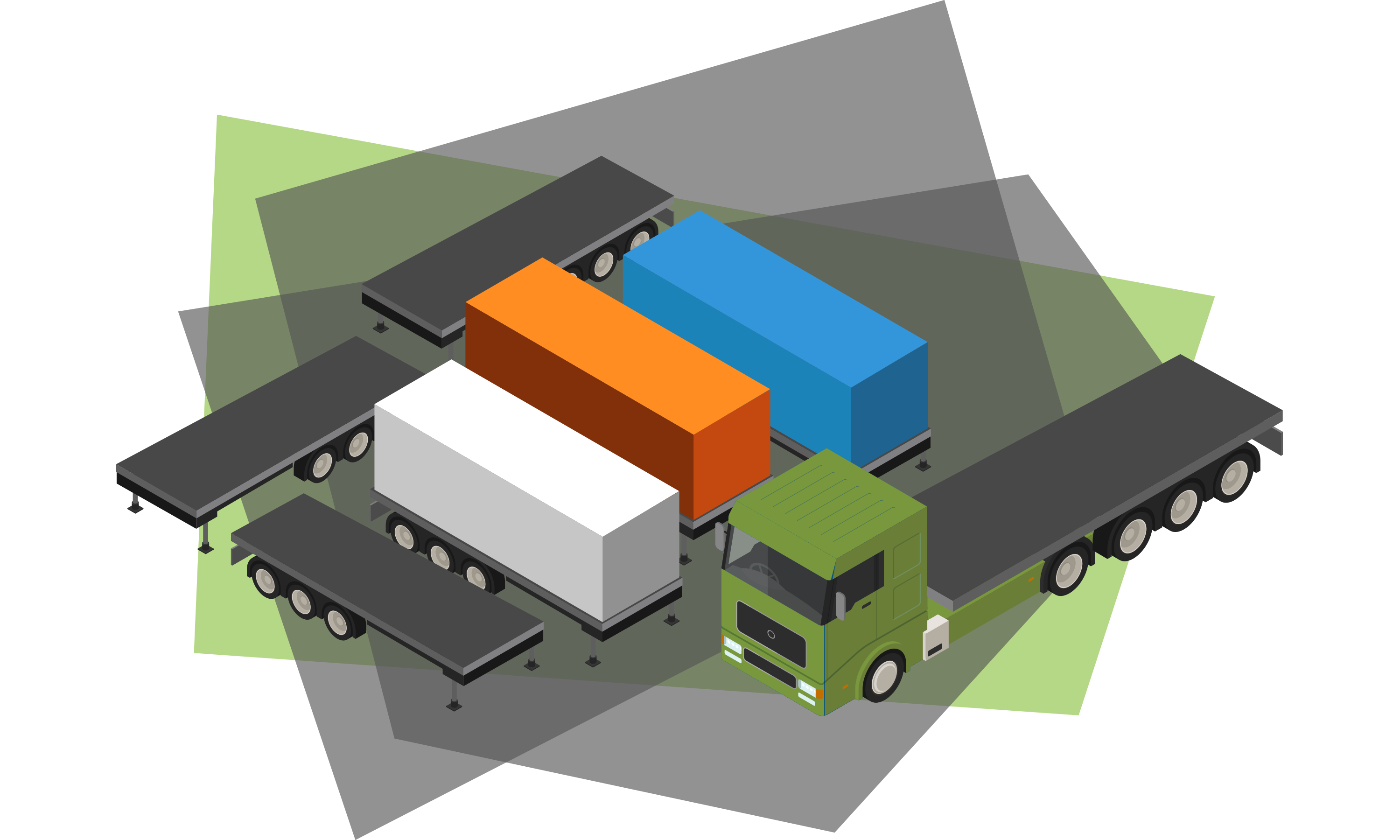
Your overseas supplier says the goods shipped “LCL.” Your forwarder says the container is at a “CFS” and you owe a pickup. If you are new to importing, this is the moment the acronyms start flying. Here is what a container freight station actually is, what happens to your cargo inside one, and how to get your freight out and delivered anywhere in South Florida.
Container freight station, defined
A container freight station (CFS) is a facility where ocean containers are stuffed and stripped. When multiple importers share one container — less-than-container-load, or LCL, shipping — the container goes to a CFS after arrival so it can be deconsolidated: opened, sorted by house bill of lading, and staged for each consignee to pick up. On the export side, the CFS does the reverse, consolidating many small shipments into full containers. Go LTL operates container freight station services in Miami alongside our trucking fleet.
What happens to your cargo at a CFS
1. Drayage from the port
After the vessel discharges at PortMiami or Port Everglades, a drayage driver moves the container to the CFS. This leg is usually arranged by the consolidator.
2. Devanning and sorting
The CFS strips the container, checks piece counts against each house bill, notes any damage, and stages each importer’s freight separately.
3. Customs release
LCL cargo clears customs at the house-bill level. Freight cannot leave the station until CBP releases it and the CFS receives proof that ocean and handling charges are paid. Cargo still under customs control moves only with a bonded carrier.
4. Final delivery
Once released, your freight needs a truck. This is where importers lose the most time: the CFS typically allows only a few free days before storage charges start. A local carrier that picks up from Miami-area stations daily — like our last-mile delivery team — keeps you ahead of the free-time clock.
CFS vs. bonded warehouse vs. container yard
These get mixed up constantly. A CFS is a short-stay work facility for stuffing and stripping containers. A bonded warehouse stores uncleared cargo longer-term under customs supervision. A container yard (CY) stores full containers, not loose freight — if you need somewhere to park loaded boxes or chassis, that is yard storage. Choosing the right one depends on whether your cargo is cleared, containerized, and how long it needs to sit.
Tips for faster CFS pickups in Miami
Send your delivery order and proof of payment to your trucker as soon as you have them. Confirm the station’s pickup hours and appointment rules — many Miami stations require appointments and close early on Fridays. Know your piece count and weight before dispatch so the right truck shows up. And if your freight is time-critical, tell your carrier which free-time day you are on so they can prioritize accordingly.
Frequently asked questions
How long can cargo stay at a CFS for free?
Free time varies by station and consolidator, but it is typically short — often around 5 business days — before daily storage charges begin. Check your arrival notice for the exact terms; the clock usually starts when the container is devanned.
Can I pick up my own cargo from a CFS?
Sometimes, for small shipments, but most stations are set up for commercial trucks, require dock-height equipment, and have strict check-in procedures. A local carrier with CFS experience is usually faster and avoids re-handling fees.
What is the difference between CFS and CY on my bill of lading?
“CFS” means your cargo travels as loose freight consolidated with others and is deconsolidated at a station. “CY” means a full container moves door-to-door or port-to-port without being opened in transit.